There is a reason the best athletes in the world obsess over what they eat before training. The pre-workout meal is not about cramming in as many calories as possible or following whatever trend is circulating on social media this week. It is about giving your body exactly what it needs to perform — and nothing that will slow it down. Get this wrong and you are either running on empty or spending the first twenty minutes of your session fighting nausea instead of hitting numbers.
The 2–3 hour window: your main fuel load
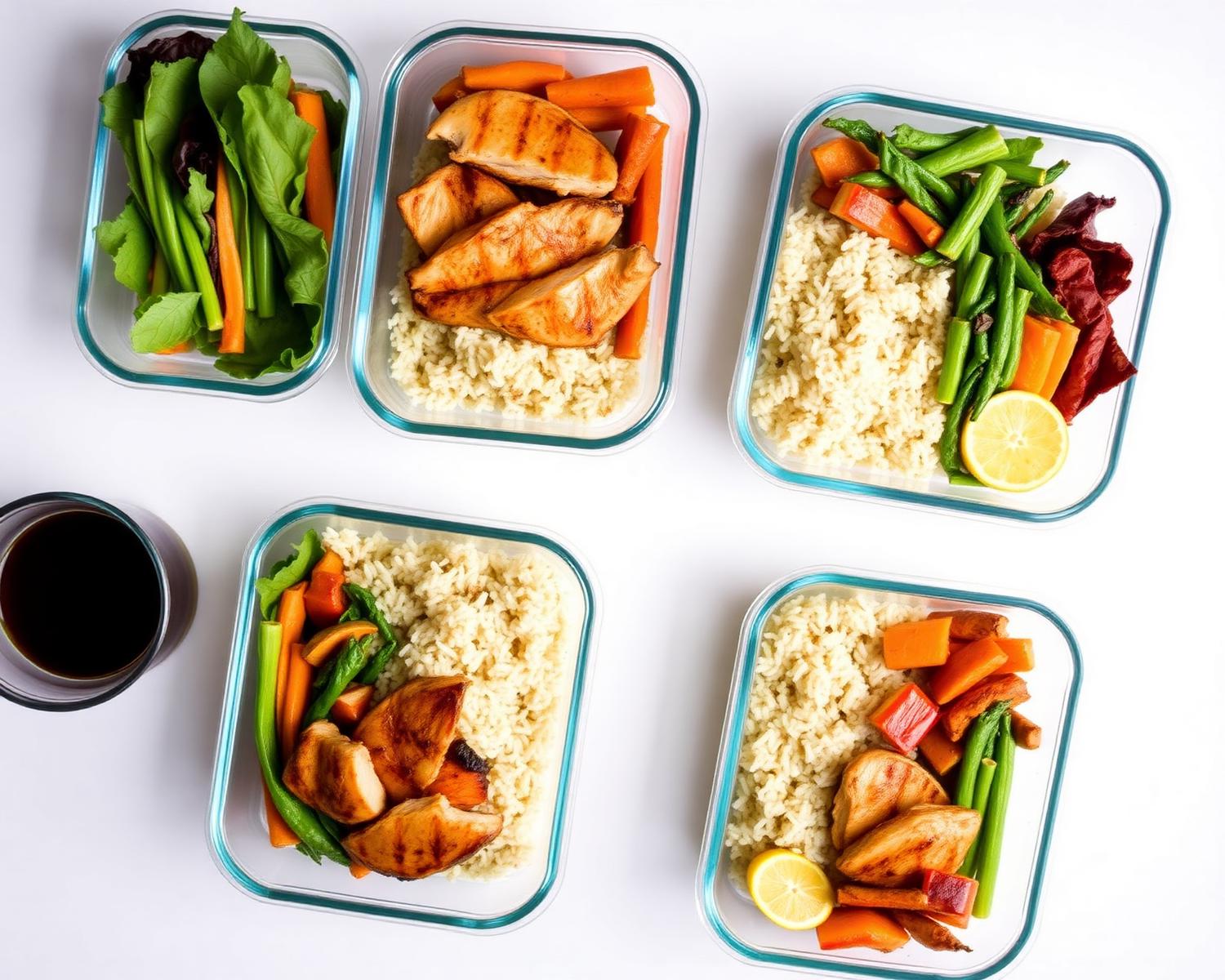
If you have two to three hours before training, this is where your primary pre-workout meal belongs. You want a balanced plate: a moderate portion of complex carbohydrates for sustained glycogen, a palm-sized serving of lean protein to prime muscle protein synthesis, and a small amount of fat to slow digestion just enough to keep energy levels stable. Think grilled chicken with rice and roasted vegetables, or oatmeal with eggs and a piece of fruit. Nothing revolutionary — just real food in the right proportions at the right time.
The carbohydrate piece matters more than most people realize. Your muscles run on glycogen during moderate-to-high intensity work, and glycogen comes from carbs. Training on a depleted tank means you will hit a wall sooner, your power output drops, and your perceived effort shoots through the roof. Filling the tank two to three hours out gives your body enough time to digest, absorb, and shuttle that fuel where it needs to go.
The 30–60 minute window: top off, don't fill up
Sometimes life does not hand you a three-hour runway. Maybe you train early and rolling out of bed two hours before your alarm is not happening. In that case, a smaller, faster-digesting snack 30 to 60 minutes before your session will bridge the gap. A banana with a tablespoon of almond butter, a small bowl of rice with honey, or a protein shake with a handful of berries — something light, carb-forward, and low in fiber and fat so it clears your stomach quickly.
The closer you eat to your session, the simpler the food should be. Complex meals need time to break down. If you eat a steak and potato thirty minutes before deadlifts, your body is going to divert blood to your gut for digestion instead of to the working muscles. That is a recipe for sluggish performance and a queasy stomach.
What to avoid close to training
High-fat meals sit in your stomach. A burger and fries two hours out might technically be enough time on paper, but the fat content slows gastric emptying dramatically. High-fiber foods — beans, cruciferous vegetables, bran cereals — create gas and bloating under the mechanical stress of training. Spicy food can cause reflux, especially during movements that compress the abdomen. And anything with a large volume of liquid calories, like a huge smoothie, can slosh around during dynamic movements and make you miserable.
Simple pre-workout meal ideas
For the 2–3 hour window: chicken breast with white rice and steamed greens; scrambled eggs with toast and avocado; lean ground turkey with sweet potato. For the 30–60 minute window: a banana with peanut butter; a rice cake with honey and a scoop of protein; a small bowl of granola with yogurt. These are not exotic meals. They are boring, reliable, and they work every single time.
Hydration before you train
Most athletes walk into the gym already dehydrated. Aim for 16–20 ounces of water in the two hours leading up to your session. If you train in the heat or tend to sweat heavily, adding a pinch of salt or an electrolyte tablet to your water ensures sodium and potassium levels are topped off before you start losing them through sweat. Dehydration of just two percent of body weight is enough to measurably impair strength, power, and cognitive function. Do not let something that simple undercut an otherwise solid session.