Here is the thing nobody wants to hear: you do not get stronger in the gym. You get stronger between sessions, when your body repairs the damage you inflicted during training and rebuilds tissue slightly more resilient than before. That process — supercompensation — only happens if you give it the raw materials and the environment it needs. Train hard and recover poorly, and you are just accumulating fatigue without ever cashing in on the adaptation.
Sleep is non-negotiable
If you are serious about performance, sleep is the single highest-return investment you can make. During deep sleep, your body releases the majority of its daily growth hormone — the primary driver of tissue repair and muscle protein synthesis. Sleep deprivation suppresses testosterone, increases cortisol, impairs glycogen resynthesis, and tanks your ability to learn motor patterns. Seven to nine hours is the target for most athletes. If you are consistently under seven, no supplement or recovery tool is going to compensate for what you are losing.
Quality matters as much as duration. A cool, dark room, a consistent sleep and wake time, and a wind-down routine that moves you away from screens and stimulation at least an hour before bed will do more for your recovery than any piece of equipment in your gym bag.
Post-workout nutrition: the real recovery window
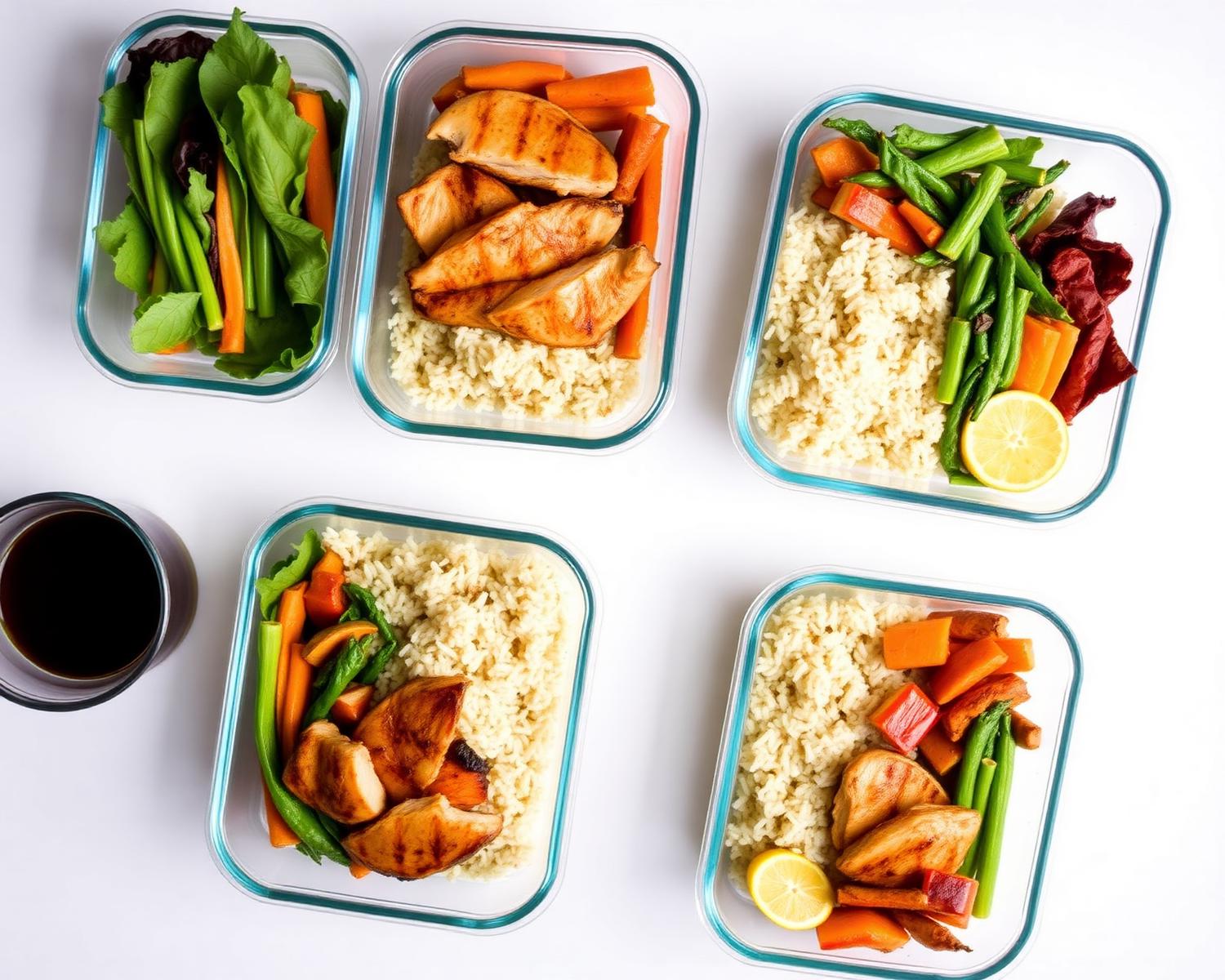
The so-called anabolic window is not as narrow as the old bodybuilding magazines claimed, but timing still matters. Consuming 20–40 grams of protein and a serving of carbohydrates within two hours of training accelerates glycogen replenishment and kickstarts muscle protein synthesis. A chicken breast with rice, a protein shake with a banana, or Greek yogurt with granola are all solid options. The key is not to overthink it — just get protein and carbs in your system within a reasonable timeframe.
Foam rolling and mobility work
Foam rolling does not break up scar tissue or physically release fascia — the forces required for that would be far beyond what a roller can deliver. What it does do is reduce perceived muscle soreness, improve short-term range of motion, and downregulate the nervous system through pressure-mediated relaxation. Ten to fifteen minutes of rolling on rest days, focusing on the areas that feel most restricted, is a low-cost investment that keeps you moving well between sessions. Pair it with targeted mobility drills for your problem areas and you are covering two recovery bases at once.
Cold and heat therapy: what the evidence says
Cold water immersion — ice baths in the 50–59 degree Fahrenheit range for 10 to 15 minutes — can reduce muscle soreness and perceived fatigue after particularly demanding sessions. However, there is growing evidence that chronic cold exposure post-training may blunt hypertrophy adaptations by suppressing the inflammatory signaling that drives muscle growth. The practical takeaway: use cold strategically during competition phases or when you have multiple sessions in a day, but avoid making it a daily habit during a building phase.
Heat therapy — sauna use at 170–200 degrees Fahrenheit for 15 to 20 minutes — increases blood flow, promotes heat shock protein expression, and has cardiovascular benefits that rival moderate exercise. Post-training sauna use on non-consecutive days is a solid addition to a recovery protocol, particularly for athletes over thirty who need more circulatory support.
Deload weeks: planned recovery, not laziness
Every four to six weeks, reduce your training volume by 40–60 percent for a full week. This is not optional and it is not a sign of weakness. Deload weeks allow connective tissue to catch up with muscular adaptation, clear accumulated fatigue from the nervous system, and set the stage for the next block of progressive overload. Athletes who skip deloads eventually get forced into them by injury or stagnation. Plan the recovery before your body demands it.
The bottom line
Recovery is not a passive process you fall into after leaving the gym. It is an active, deliberate practice that requires the same attention you give your training. Sleep enough, eat enough, manage inflammation intelligently, move on your rest days, and build planned deloads into your programming. The athletes who last decades in their sport are not the ones who train the hardest — they are the ones who recover the smartest.