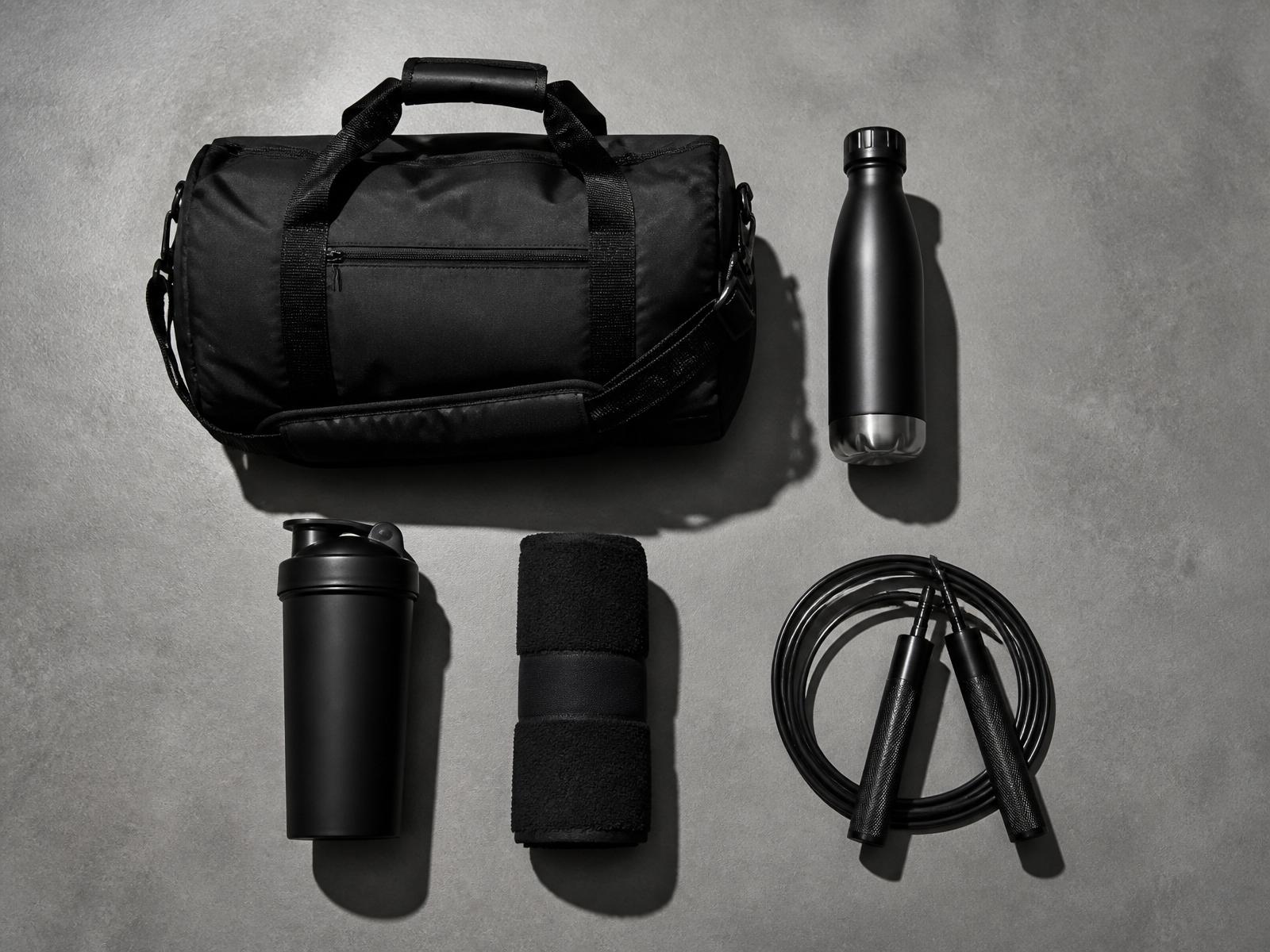
You can lose one to two liters of fluid per hour during intense training, more in heat or humidity. Most athletes replace less than half of that. The result is a slow, invisible decline in performance that you attribute to fatigue, a bad day, or lack of sleep when the real culprit is sitting in the half-empty water bottle you brought to the gym and barely touched. Dehydration of just two percent of body weight — roughly three pounds for a 150-pound athlete — is enough to reduce strength by up to ten percent, impair endurance, and degrade reaction time and decision-making.
Know your sweat rate
The most accurate way to determine your fluid needs is to calculate your sweat rate. Weigh yourself naked before and after a one-hour training session without drinking anything during the session. Every pound lost equals approximately 16 ounces of sweat. If you lost two pounds, your sweat rate is roughly 32 ounces per hour. Now you have a target. You do not need to replace 100 percent of sweat losses in real time — aiming for 75 to 80 percent is practical and prevents the sloshing, bloated feeling of drinking too much too fast.
Electrolytes versus plain water
For sessions under 60 minutes at moderate intensity, plain water is sufficient. Once you exceed an hour, or if you are training in heat, you start losing meaningful amounts of sodium, potassium, and magnesium through sweat. Plain water dilutes what is left without replacing what was lost, which can actually worsen the situation — a condition called hyponatremia in extreme cases. An electrolyte drink or a pinch of salt in your water bottle solves this. You do not need a fancy formula. Sodium is the primary electrolyte lost in sweat, and most commercial electrolyte products are built around replacing it.
Before, during, and after
Before training, drink 16 to 20 ounces of water in the two hours leading up to your session. This gives your body time to absorb and distribute the fluid. During training, aim for 4 to 8 ounces every 15 to 20 minutes — small, frequent sips rather than chugging a full bottle at the halfway point. After training, drink 20 to 24 ounces for every pound of body weight lost during the session. Include sodium in your post-workout hydration to help your body retain the fluid rather than sending it straight through your kidneys.
Signs you are not drinking enough
Dark yellow urine is the most obvious indicator, but by the time you notice it, you are already behind. Headaches during or after training, unusually high heart rate at the same workload, muscle cramps that appear earlier than expected, and a drop in performance that does not correlate with your programming are all signs of chronic under-hydration. If your morning body weight is trending down over the course of a training week without intentional calorie restriction, fluid deficit is the likely cause.
A practical hydration protocol
Start your day with 16 ounces of water before coffee or food. Carry a measured water bottle and finish it at least twice before training. During your session, use a timer or set a reminder every 15 minutes to take four to six sips. After training, weigh yourself and drink accordingly. On rest days, aim for half your body weight in ounces as a baseline. It is not complicated and it does not require an app. It requires a bottle, a scale, and the discipline to drink before you are thirsty — because by the time thirst kicks in, you are already one to two percent dehydrated and your performance has already started to slip.